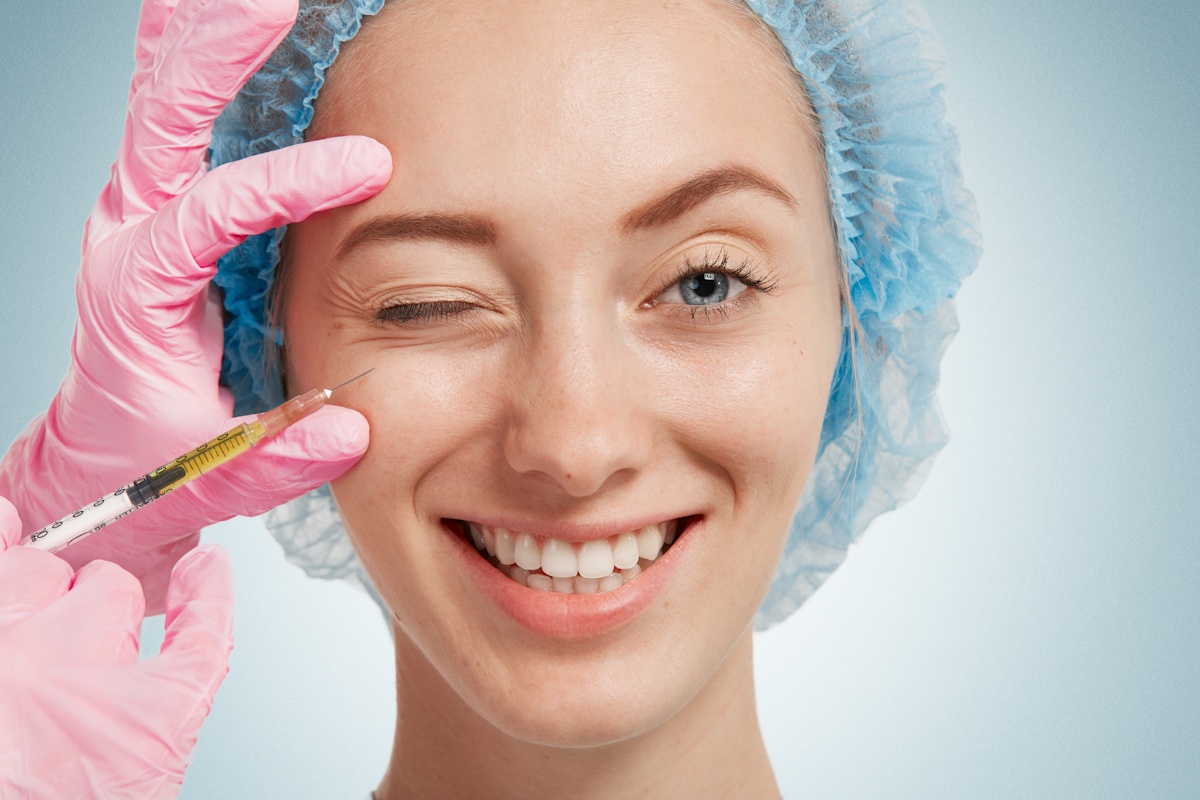
Botox is one of the most common non-surgical aesthetic treatments in the world. The list of what you should not do after Botox injections is short, and it matters most in the first 24 hours.
Botox treatment is one of the most common non-surgical aesthetic treatments in the world. According to the ISAPS global survey for 2025, botulinum toxin stayed in first place among non-surgical procedures, with 7.3 million procedures performed by plastic surgeons. A session takes 10-15 minutes, and you go straight back to your usual activities afterwards.
The effect, however, comes on gradually over the following days, as the toxin acts on the treated muscle. During this time a few everyday habits, from how you hold yourself in the first hours to your evening workout, influence how even the result looks. The list of what you should not do after Botox injections is short, and it matters most in the first 24 hours.
In short: what to avoid after Botox
- The first 4 hours: stay upright and put off lying down or spending a long time bent forward.
- The first 24 hours: avoid massaging, rubbing or pressing on the treated areas, intense exercise, the sauna and alcohol.
- The first 1-2 weeks: schedule peels, radiofrequency, laser or facial massage for after this interval.
- Medicines: before you take a new medicine, especially an antibiotic or a muscle relaxant, tell the doctor you have recently had Botox.
- Follow-up: at about two weeks, when the effect is complete, the doctor checks the result and the symmetry.
Normal reactions after Botox treatment – advice from the Dermestetica doctor
Right after the injections, small bumps usually appear at the injection points, and they go down within a few hours. Other frequent, passing reactions are:
- slight redness in the treated area;
- a small bruise, especially around the eyes, where the blood vessels lie closer to the surface of the skin;
- a mild headache on the first day or in the first few days;
- a feeling of heaviness on the forehead in the first 1-2 weeks, as the muscle relaxes.
For swelling, you can apply a cold compress, in rounds of no more than 10 minutes each, held lightly against the skin without rubbing the area.
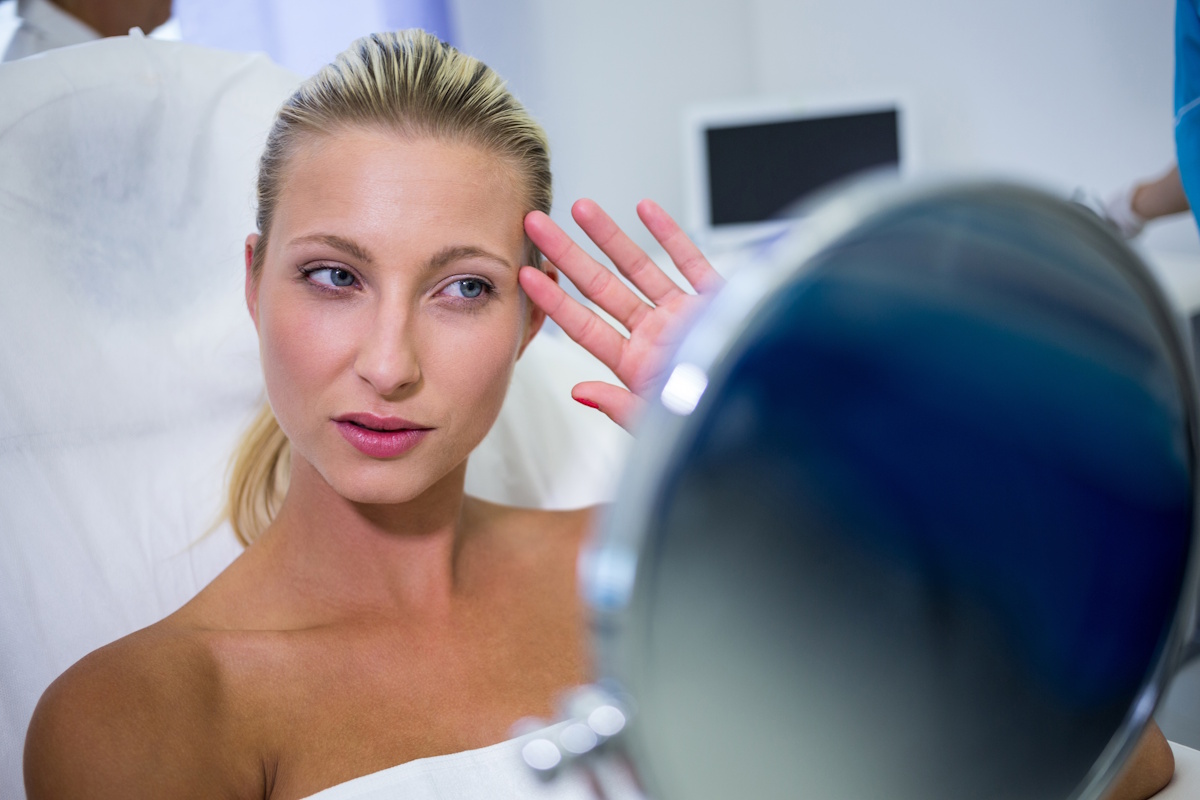
Some reactions are normal in the first 2 weeks after Botox treatment. Photo: Magnific
An Italian study of 5,014 people, published in the journal Toxins in 2025, recorded side effects in 6% of those assessed after Botox to the upper third of the face: bruising in 3%, headache in 1.8%, a lowered eyebrow in 0.4% and dry eyes in 0.3%. The study recorded no severe or allergic reactions.
“After botulinum toxin injections, I advise my patients to treat the injected areas gently, to avoid rubbing or massaging them and to follow the individual instructions they are given in the surgery. Usual activities can be taken up again quickly, but I recommend a break from intense physical effort immediately after the procedure. Care at home should be simple, and any unusual reaction should be discussed with the doctor.”
– Dr. Daniela Popoiu, dermatologist, Dermestetica
What you should not do after Botox injections – activities to avoid
The recommendations below are the ones most doctors use in practice. Some follow from the way the toxin works, others are precautions. They are explained one by one, so you know what each one is for.
Avoid lying down or bending over in the first 4 hours
Botulinum toxin needs a few hours to bind to the nerve endings in the treated muscle. That is why doctors recommend staying upright for 3-4 hours after the injections, as a precaution against the product moving towards neighbouring muscles, for example towards the muscle that lifts the eyelid. In practice, put off an afternoon nap, head-down exercises and activities that keep you bent forward for a long time, such as cleaning or gardening.
The study in Toxins suggests this rule is more of a precaution. The people included went straight back to their usual activities, and among the 4,000 assessed at follow-up there was not a single case of a drooping eyelid. The study is retrospective, however, and has no comparison group, so your doctor's recommendation still stands, and it is easy to follow.
Avoid massaging, rubbing and pressing on the treated area
In the first 24 hours, avoid massaging, rubbing or pressing on the injected areas. Local pressure can move the toxin before it has settled. Watch the everyday gestures too: sunglasses pushed up onto the forehead, a tight headband or cap, a sleep mask or facial massage devices.
You can wash your face and apply cream the same evening, with light movements. Put make-up on once the bumps at the injection points have gone, dabbing it on lightly.
No intense sport or physical effort
Put off intense workouts, running, lifting weights and head-down yoga poses until the next day. Effort raises your pulse and blood pressure, and that can make swelling and bruising worse. An easy-paced walk is fine from the first day.
Facial expressions are a special case. A study published in the Journal of the American Academy of Dermatology in 2018, of 22 women treated for forehead lines, showed that facial exercises done in the first 4 hours brought the effect forward by about a day. The exercises were raising the eyebrows and frowning, in 3 sets of 40 repetitions each. How long the result lasted did not change. So you can smile, talk and frown normally after the treatment. Ask your doctor whether they recommend these exercises.
No sauna, hot bath, sunbed or intense heat
For 24-48 hours, avoid the sauna, the steam room, very hot baths, the sunbed and long exposure to strong sun. Heat dilates the blood vessels and can make redness, swelling and bruising worse. Daily sun protection should be part of your routine, with the cream applied lightly.
No alcohol on the first day
Alcohol dilates the blood vessels and raises the risk of bruising at the injection points. Put off alcoholic drinks for at least 4 hours after the injections.
Put off facial treatments and other aesthetic procedures
Peels, microdermabrasion, radiofrequency, laser therapies and facial massage all involve pressure, heat or friction on the treated area. Schedule them at least 1-2 weeks after Botox, ideally after the two-week follow-up.
If you want to combine Botox with hyaluronic acid or with CO2 laser resurfacing, the doctor decides at the consultation on the order and the interval between the procedures. The difference between Botox and hyaluronic acid lies in how they work: Botox relaxes the muscle, while hyaluronic acid adds volume and hydration.
Do not have another dose of Botox before the follow-up
If the result seems uneven in the first few days, wait until about day 14, when the effect is complete. An extra dose given too early, especially at another clinic and with another product, can weaken the muscle too much.
What to avoid, in brief:
| When | What to avoid | Why |
|---|---|---|
| The first 4 hours | Lying down, staying bent forward for long, pressing on the treated area | The toxin settles in the muscle in the first hours, and staying upright is a precaution against it moving |
| The first 24 hours | Massage, rubbing, intense sport, the sauna, hot baths, alcohol | Pressure can move the product, and effort, heat and alcohol raise the risk of swelling and bruising |
| 24-48 hours | Intense, prolonged heat: the sauna, the sunbed, strong sun | Heat dilates the blood vessels and makes redness and swelling worse |
| The first 1-2 weeks | Peels, radiofrequency, laser, facial massage on the treated area | The full effect takes about 14 days to develop |
| Until the follow-up | Another dose of toxin, especially at another clinic | Overlapping doses can weaken the muscle too much |
Food after Botox injections
You can eat normally after Botox. A few adjustments in the first 24 hours lower the risk of swelling and bruising:
- put off alcohol until the next day;
- limit very salty meals on the first day, because salt encourages water retention and a puffy face;
- before the treatment, talk to the doctor about any supplements that can make you bruise more easily, such as high-dose fish oil, vitamin E or ginkgo biloba.
If you have an important event coming up, book the treatment at least two weeks before it. That way you have time to see the full effect, and any bruise will have gone by then.
Medicines after Botox injections
At your dermatology consultation, tell the doctor which medicines and supplements you take. After the treatment, let any doctor who prescribes you a new medicine know that you have recently had botulinum toxin injections.
Keep taking any anticoagulant or antiplatelet treatment prescribed for your heart or circulation, and discuss any change only with the doctor who prescribed it. If you have a headache after Botox, ask the doctor which painkiller is right for you. Paracetamol is an option often recommended, because it does not make you bleed more easily.
Other recommendations after Botox
- Keep to your usual skincare routine, applying products with light movements.
- Note down the date of the treatment and the areas treated. It helps at your next appointment and at any medical consultation.
- Photograph your face at rest and in expression before the treatment and at 14 days. That way you can judge the result objectively together with the doctor.
- Book the next session as the doctor advises, usually when you notice movement coming back. According to the American Academy of Dermatology, the effect usually lasts 4-5 months, sometimes longer.
When to go for a follow-up, and which signs to watch for
The follow-up usually takes place at about two weeks, when the effect of the toxin is complete. The doctor checks the symmetry and, if needed, makes small adjustments.
Signs to call the clinic about
- an eyelid or an eyebrow that visibly drops;
- an obvious asymmetry of the eyebrows or the smile after 14 days;
- swelling, redness or pain that gets worse after 2-3 days;
- signs of infection at the injection points: local warmth, pus or fever.
A drooping eyelid is rare and temporary. The doctor may recommend eye drops that lift the eyelid slightly until the effect wears off.
FAQ – frequently asked questions about what to avoid after Botox injections
How long should I avoid lying down after Botox?
The usual advice is to stay upright for 3-4 hours after the injections. You can sleep normally at night.
When can I exercise after Botox?
Light activity, such as walking, is fine from the first day. Take up intense workouts again the next day, that is after about 24 hours.
Can I drink alcohol after Botox?
It is best to put off alcohol for at least 4 hours after the injections. Alcohol dilates the blood vessels and raises the risk of bruising at the injection points.
When can I wear make-up after Botox?
Once the small bumps at the injection points have gone, usually on the same day. Dab the products on lightly.
What happens if I lie down or touch my forehead by mistake?
A brief, accidental gesture usually carries a small risk. In the Italian study of more than 5,000 people, serious problems were rare, even though the people included were given no restrictions after the treatment. If over the following days you notice a drooping eyelid or eyebrow, call the clinic.
Can I have Botox if I am taking antibiotics?
It depends on the antibiotic. Aminoglycosides, for example gentamicin, can strengthen the effect of the toxin, so the doctor may postpone the treatment until the course is finished. Tell the doctor at the consultation what treatment you are on.
When will I see the final result?
The first changes usually appear in 3-7 days, according to the American Academy of Dermatology, and the full effect shows at about 14 days. That is also when the follow-up takes place.
Your doctor's advice comes first
The rules after Botox are simple, and they matter most in the first 24 hours. Follow the advice you are given at the clinic first of all, because the doctor tailors it to the areas treated, the dose and your medical history. For a personal assessment, book an appointment at Dermestetica.
Sources
- Santorelli A. et al., Are Post-Care Recommendations Following Upper-Face Botulinum Toxin Treatment Scientifically Necessary? A Retrospective Study Based on 5000 Patients, Toxins, 2025
- Alam M. et al., study of facial exercises after botulinum toxin, Journal of the American Academy of Dermatology, 2018
- BOTOX Cosmetic – Prescribing Information (Allergan)
- American Academy of Dermatology – Botulinum toxin therapy: Overview
- ISAPS – Global Survey 2025, press release